Every cosplayer may have a personal set of reasons for why they chose to cosplay and how it makes them feel. For me, I've enjoyed crafting ever since I was a child and I spent much of my adolescence in online fandom spaces making the draw to cosplay very easy. But in thinking about the mental aspect around cosplaying, I wanted to look into the academic research conducted on the community to answer my questions. Specifically, I'll be discussing the findings from two different doctoral dissertations that address these questions based on two different demographics that were surveyed: Cosplay and Mental Health: Exploring How Cosplaying Promotes Positive Mental Health by Beltran et al. which surveyed cosplayers from the Philippines and Cosplay and Mental Health: A thematic analysis by Bethan Yorath which surveyed cosplayers from the United Kingdom. Even though both dissertations sampled from different countries, both focused on cosplayers aged 18 and older due to the ethics around psychological research and the positive aspects of cosplaying on mental health. These factors limit the scope of the findings as the cosplayers can be of any background or age and there many ways cosplay can negatively impact mental health, but it is still interesting to look at scientific research being done around the cosplay community.
Main reasons for why people cosplay from the studies:
As a creative outletFor enjoyment/fun gained from the creative and social aspects To show off artistic skills and fashionTo show love for a piece of media, fandom, or characterAs a way to support mental healthBecause the structure and motivation of completing projects and meeting deadlines provides "constant momentum"2To build community
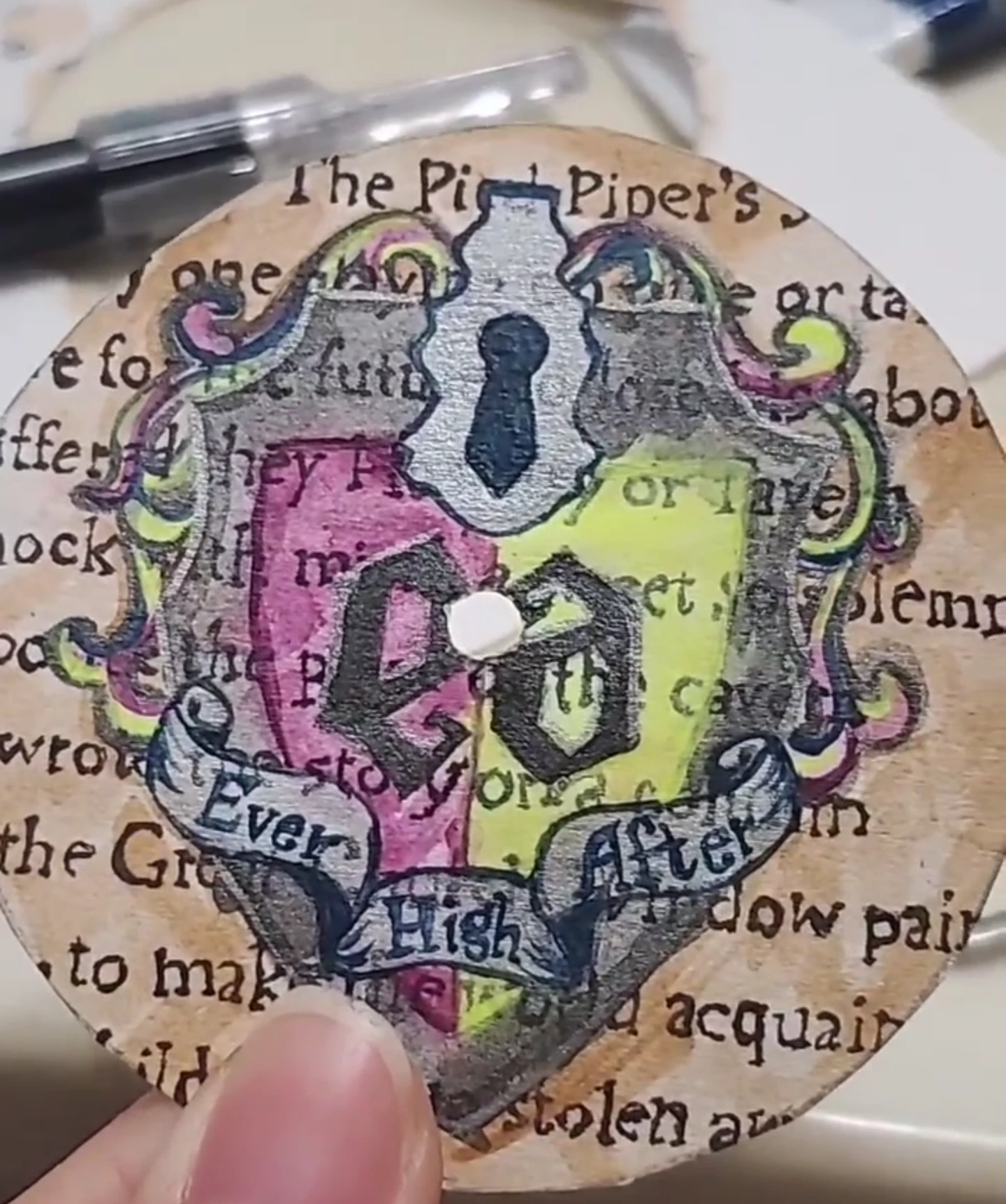
I love spending extra time on tiny details in my cosplays that aren't canon, but integrate other aspects of the media I'm cosplaying from because it's fun and shows my love for the media. This is the paper label for the vinyl record on my Melody Piper purse. The text is from the Pied Piper poem and the watercolor style references the packaging and character art of Ever After High
Main positive impacts of cosplay from the studies:
Improvements in overall self confidenceIncreased creativity in daily lifeIncreased sense of communityFurther development of social skillsDevelopment of healthier coping mechanisms
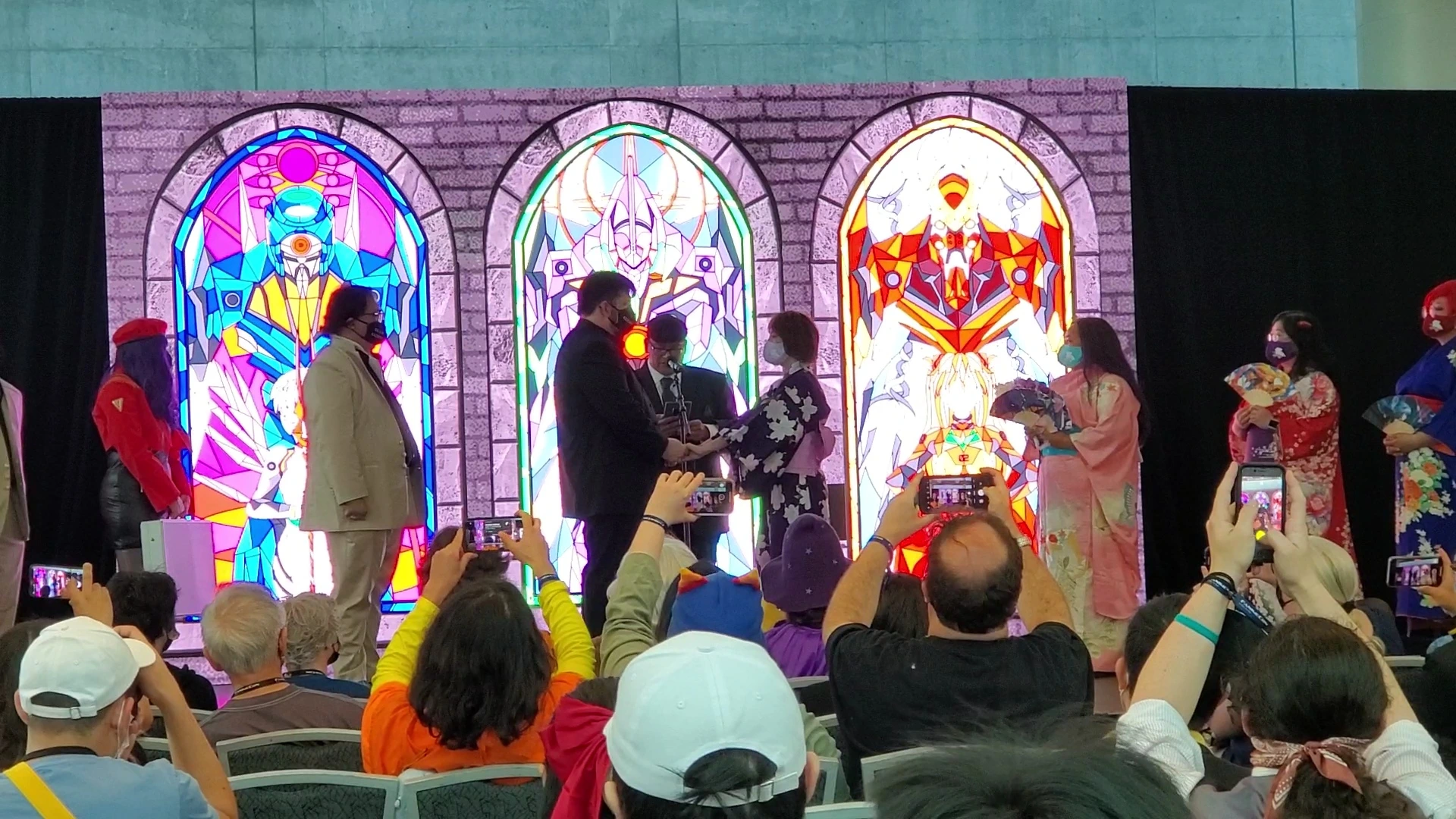
My friends and I witnessed a wedding at FanimeCon 2023 between two Neon Genesis Evangelion cosplayers. They had met at a previous Fanime and were the hosts of the Fanime Neon Genesis Evangelion cosplay meet up for many years. We didn't know these people, but they wanted to have part of their wedding at Fanime and con attendees had the privilage to be part of their audience. My friend was even invited by them to sit in the front row because she was cosplaying from the show and was at the cosplay meet up that day.
I honestly agree with all of the reasons to cosplay and outcomes identified in the studies. What initially drew me into cosplay was the creative, fashion, and fandom aspects of the hobby. I wanted to make and wear the otherworldly outfits I saw in my favorite media and show my love for a character through this replication. But as I involved myself more in the fandom, the social aspect of cosplay really drew me in further. I loved yapping about my favorite things with others and hearing about their favorite things too. I always felt more confident while in cosplay and, although the level has varied over time, I think I've gained more confidence in myself outside of costume. Cosplay has become a core component of my life and identity after many years and even though I've had many con-crunch crashouts, I still love making things and sharing my work with others.
1Beltran, D. M., Buton, J. J., Lacson, M., Mendoza, M., & Peralta, E. (2025). Cosplay and Mental Health: Exploring How Cosplaying Promotes Positive Mental Health [Doctoral dissertation].
doi:10.13140/RG.2.2.35018.89282
2Yorath, B. A. (2022). Cosplay and Mental Health: A thematic analysis. [Doctoral dissertation]. doi: https://doi.org/10.15126/thesis.900522